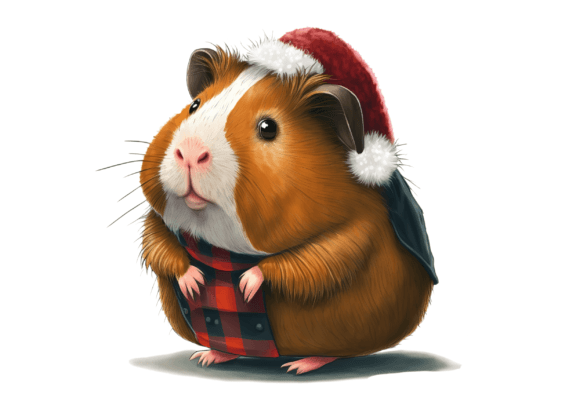
Christmas Hamster, Xmas Hamster: A Designer's Real-World Review
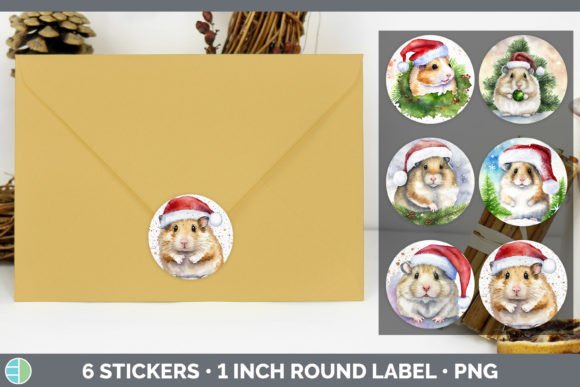
When I first opened the Christmas Hamster, Xmas Hamster file in my digitizing software, I didn't just see a cute animal; I saw a potential bestseller for the holiday season. As someone who has spent years reviewing embroidery designs and testing them on everything from high-end boutique items to mass-market craft fair goods, I know that the difference between a good design and a great product often comes down to practical application. This piece of Illustrations art carries a specific energy that makes it stand out in a crowded market of generic holiday motifs.
The immediate mood this design creates is one of cozy, whimsical charm. It isn't trying to be a grand statement piece with massive lettering or complex scenic backgrounds. Instead, it relies on the inherent cuteness of the subject matter combined with festive elements to drive its appeal. The visual personality feels approachable and warm, which is exactly what customers are looking for when they want a personalized gift or a unique addition to their own wardrobe. Before we even talk about thread counts or stitch types, the layout suggests that this design belongs naturally on soft, textured fabrics where the details can breathe.
From Digital File to Finished Product: A Real-Life Scenario
To truly understand how Christmas Hamster, Xmas Hamster performs, I put it through a real-world test scenario that mirrors what many small business owners face. Imagine you are preparing inventory for an upcoming craft fair or updating your Etsy shop for the holidays. You have decided to create a line of custom embroidered tote bags and baby onesies. You need something that will catch the eye of a shopper walking past your booth but also look professional enough to command a higher price point.
I selected a heavy-duty canvas tote bag for the initial test. The goal was to see if the design held up under the stress of daily use while maintaining its visual integrity. When I hooped the fabric and started the machine, the stitch density felt balanced. There were no areas that seemed overly dense, which reduces the risk of puckering—a common nightmare for anyone making custom apparel. The hamster's features, rendered through a mix of satin stitches for outlines and fill stitches for the body, translated beautifully onto the canvas. The result was a finished product that looked crisp and intentional, not muddy or distorted.
Next, I moved to a softer substrate: a baby sweatshirt. Here, the dynamic changes slightly. The design needed to feel gentle against delicate skin while still standing out. On the baby item, the Christmas Hamster, Xmas Hamster motif worked perfectly as a chest placement. It felt like a thoughtful detail rather than a loud graphic. Parents browsing for holiday gifts often gravitate toward items that are adorable but not overwhelming, and this design hits that sweet spot. The contrast between the festive colors and the soft fabric created a high perceived value, making the item look like a premium boutique product rather than a cheap knockoff.
Navigating Fabric Challenges and Hoop Limitations
While the design excels on stable, medium-weight fabrics, there are specific scenarios where caution is required. Not every surface is a canvas or a cotton blend. If you are planning to use this design on a stretchy knit cap or a curved baseball hat, you must consider how the embroidery file interacts with the curvature. The design works well on caps, but the hoop size becomes a critical factor. Trying to fit a large version of this character into a small 4x4 hoop might force you to crop essential details, ruining the composition.
Furthermore, dark fabrics present a challenge that requires careful thread selection. While the design itself is likely vector-based or color-coded for easy conversion, the final look depends entirely on your thread colors. On a black t-shirt, a light-colored hamster might get lost without a proper underlay or contrasting outline. Conversely, using too much dark thread on a dark background can make the design look flat and heavy. I recommend testing your colorway on scrap fabric before committing to a bulk order of products.
Textured fabrics, such as fleece or boucle, also demand attention. The irregular surface can cause the needle to skip stitches or distort the satin stitch edges. For these materials, a strong stabilizer is non-negotiable. Without it, the weight of the embroidery could pull the fabric out of shape, leading to a lopsided appearance that detracts from the professional quality of your handmade product.
Why Visual Clarity Matters for Your Brand
In the world of digital marketing and online sales, the image you present is everything. Whether you are creating a printable mockup for your website or taking photos for social media, the clarity of the embroidery directly impacts customer trust. A design that looks sharp and clean in person translates to a brand that is reliable and high-quality. If the Christmas Hamster, Xmas Hamster design appears blurry or uneven in your photos, buyers may assume the actual product is flawed.
This design supports brand consistency because of its distinct character. It is memorable enough to become a signature element for a holiday collection. Customers who buy one item with the hamster motif are likely to return for more, recognizing the style and associating it with your shop. This recognition is crucial for Etsy sellers and small shop product creators who rely on repeat business and word-of-mouth referrals. A well-executed design elevates the entire perception of your business, suggesting that you pay attention to the smallest details.
Practical Notes for the Embroidery Designer
Before you rush to start stitching hundreds of units, there are several technical steps you must take to ensure success. First and foremost, always test the design on scrap fabric. This simple step allows you to check the stitch density and adjust the tension if necessary. You should also review the small details, particularly around the eyes and paws, to ensure they do not merge together during the stitching process.
It is also wise to inspect the design in black and white mockups. Sometimes, a design looks vibrant in color but lacks sufficient contrast in grayscale, which can affect how it reads on different lighting conditions. Compare how the design looks on both light and dark fabric backgrounds to ensure versatility. Using the proper stabilizer is another key factor; the type of stabilizer (tear-away, cut-away, or wash-away) should match the fabric type and the intended use of the final product.
Finally, verify the licensing terms. Many designers sell digital embroidery files with specific restrictions regarding commercial use. Confirm whether you are allowed to sell finished items made with the Christmas Hamster, Xmas Hamster design. Some licenses allow for personal use only, while others permit commercial production up to a certain quantity. Ignoring these terms can lead to legal issues down the road.
If you are selling design assets or creating commercial embroidery projects, understanding these nuances separates the hobbyist from the professional. By taking the time to evaluate how Christmas Hamster, Xmas Hamster behaves on various substrates and in different contexts, you ensure that your final output meets the highest standards. Whether you are making a single holiday gift for a friend or building a full line of apparel decorators merchandise, this design offers a solid foundation for creativity.
Ultimately, the success of any embroidery project lies in the balance between artistic vision and technical execution. This design provides the former effortlessly, but it requires the latter to shine. With careful planning and a keen eye for detail, Christmas Hamster, Xmas Hamster can become a standout feature in your portfolio, bringing joy to recipients and value to your business.